Learn how to integrate digital sustainability into your teaching practices, promote green technologies, and foster critical thinking about the environmental impact of digital tools.
Explore how multisensory teaching strategies can enhance learning, attention and inclusion in Primary School settings. Learn how to integrate all five senses into everyday lessons.
Multisensory Learning in Primary Education: Engaging Young Learners Through the Five Senses
Acquire knowledge on how to innovate school curricula by gaining a systematic understanding of 7 of the most important soft skills in the 21st century as a response to migration and rapid technological development.
Discover the 7Cs: Learning for Life (and Work) in the 21st Century
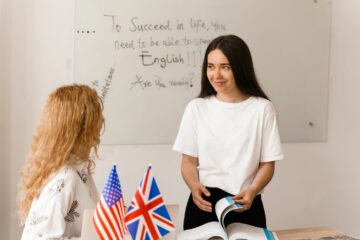
Enhance your English communication skills and explore the new European School Education Platform. Learn how to create and manage a project according to the eTwinning quality criteria.
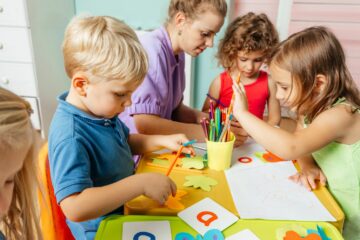
Dive into the essentials of hands-on pedagogy in early childhood education, focusing on engaging young learners through play and technology. Learn to adapt your classroom to diverse learning styles, fostering holistic development.
Hands-on Pedagogy for Early Childhood Education: From Sensory Education to First ICT Uses
Learn to integrate educational apps and digital tools into your teaching methodology and discover the latest approaches. Foster students’ engagement and motivation and acquire the necessary tools to support each of your pupils’ learning styles.
Gain a practical understanding of Project-Based Learning (PBL) and how to apply it to your own subjects (even with low English proficiency). Explore how real-world, student-centered projects can improve motivation and build essential 21st-century skills.
Project-Based Learning (PBL) (Easy English Course)
Learn how to integrate successful educational practices from the Netherlands, Northern Europe, and Singapore into your own teaching. Discover strategies for student-centered learning, personalized instruction, and effective use of technology.
The Dutch System and Other Inspiring Education Excellence
Discover the values and principles of each EU institution to integrate them in the classroom and school activities. Develop critical thinking and civic skills to promote a sense of European Citizenship and identity in the school community.
Learn how to personalize learning with Artificial Intelligence by analyzing gifted students' progress and tailoring activities that foster critical thinking and creativity.
Explore the history and culture of the Canary Islands in the context of global events. Design lesson plans and materials to apply Situated Learning theory in their own contexts.
Explore how cultural heritage can support inclusion and diversity in education. Through visits to museums, cultural institutions, and historic sites, discover practical approaches used in Bucharest.
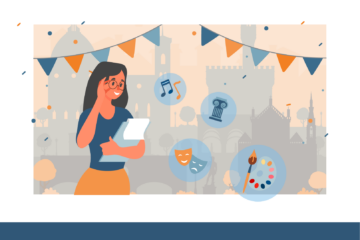
This festival brings together initiatives that foster key skills, encourage intercultural and intergenerational dialogue, and strengthen a sense of belonging and active citizenship.
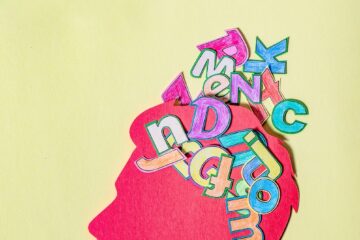
Explore neuroscience-informed perspectives on Second Language Acquisition. Learn how attention, memory, emotion, stress, bilingual processing, and consolidation influence language learning, and critically examined common neuromyths in language education.
Learn to use Canva confidently to design creative, accessible, and engaging teaching materials. Explore its features, including templates, translation tools, and AI functions.
Analyse colonial and decolonial perspectives in historical narratives. Apply tools that reduce miscommunication in classrooms, such as shared terminology, rereflection exercises, and dialogue activities.
Deepen your understanding of the notion of soft skills and reflect on your own leadership, creativity, and communication abilities, among others. Learn how to incorporate the transmission of those skills into every facet of education.
Recommended Audience: PE Teachers, Primary Teachers
Language RequirementsIntermediate English (B1+)
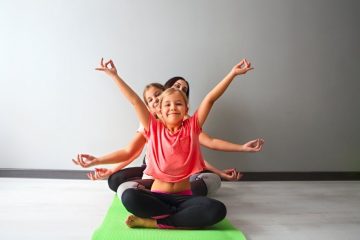
Learn how to introduce young students to yoga, meditation, and mindfulness by developing an understanding of their holistic approach to wellness and its health benefits for physical and mental health.
Gain hands-on experience with various apps and programs to integrate them into teaching. Learn to create interactive lessons that will foster 21st-century skills, including critical thinking, collaboration, and creativity.
Learn to apply Case-Based Learning in your classrooms and school subjects, as well as in interdisciplinary projects to increase students’ curiosity, creativity, and problem-solving, and promote an active learning environment.